How Many Clubs In A Golf Bag
Standing on the first tee, you glance at your golf bag and wonder, “Do I have all the clubs I need? ” This is a common question for both beginners and seasoned golfers. Picking the right clubs is not just about following the rules—it’s about playing your best game and enjoying each shot.
If you’ve ever felt confused about how many clubs you can carry or which ones should make the cut, you’re in the right place.
In this guide, you’ll find clear answers to how many clubs are allowed in a golf bag, why this rule matters, and what clubs most golfers choose. I’ll share insights from my own time on the course, along with tips that many people (even experienced players) often miss.
Whether you’re putting together your first set or looking to fine-tune your selection, you’ll come away with practical knowledge you can use on your next round.
The Official Limit: How Many Clubs Are Allowed?
Let’s start with the basics. According to the official rules set by the United States Golf Association (USGA) and The R&A, you can carry a maximum of 14 clubs in your golf bag during a round. This rule applies whether you’re playing in a friendly game or a serious tournament.
Why 14? This number gives you enough options to handle different distances and situations on the course, but not so many that players are slowed down by too much choice or by carrying heavy bags. The rule keeps the game fair and fast.
What Happens If You Carry Too Many Clubs?
If you start a round with more than 14 clubs, you’re breaking the rules. In competitions, this can lead to penalties. For stroke play, you get a two-stroke penalty for each hole where you have too many clubs, up to a maximum of four strokes per round.
In match play, you lose one hole for each hole where the mistake happened, up to two holes.
I remember a tournament where a friend of mine was so focused on his new hybrid club that he forgot to remove his old 5-wood. After two holes, an official noticed. The penalty cost him the lead—and he learned a lesson about double-checking his bag before every round.
Fewer Than 14 Clubs: Is That Okay?
Yes, you can play with fewer than 14 clubs if you want. Some players prefer lighter bags or use only the clubs they trust most. There’s no penalty for carrying fewer clubs. However, you can’t add clubs during the round unless you started with less than 14, and even then, you can’t delay play or borrow from another player.
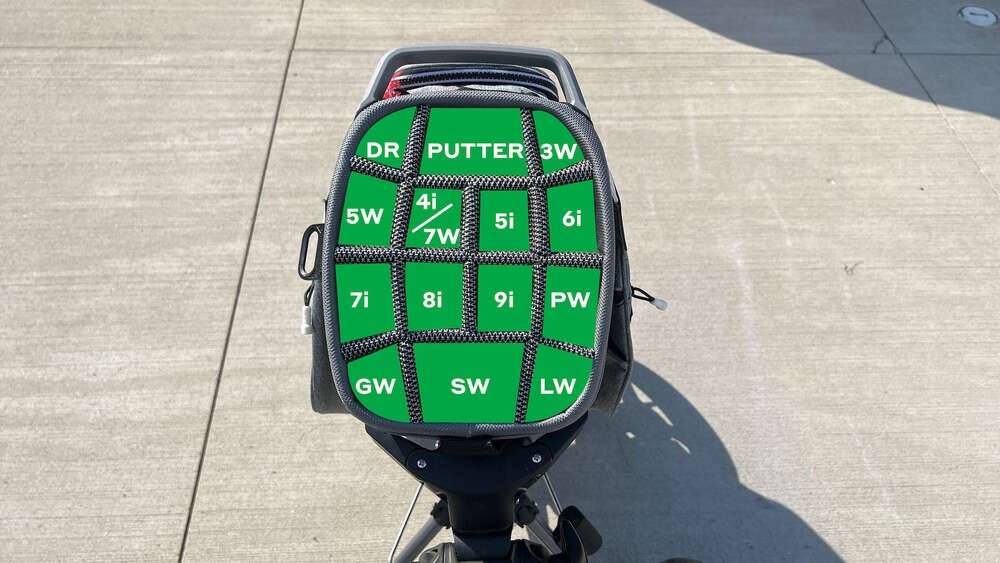
The Standard Set: What Clubs Make Up The 14?
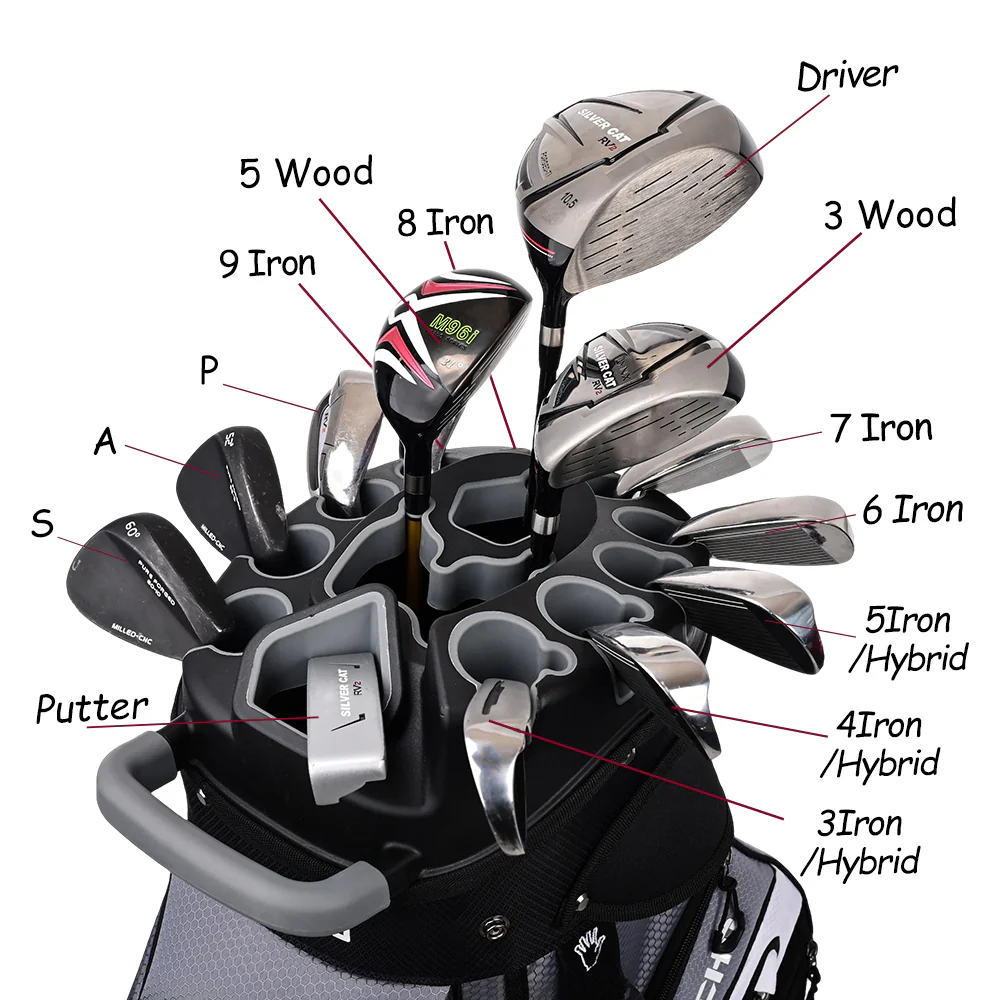
A typical golf bag is carefully balanced. While every golfer has their own preferences, most standard sets look similar. Here’s a common breakdown:
- Driver
- 3-wood
- 5-wood or hybrid
- 3-iron (or extra hybrid)
- 4-iron
- 5-iron
- 6-iron
- 7-iron
- 8-iron
- 9-iron
- Pitching wedge
- Sand wedge
- Lob wedge or gap wedge
- Putter
This mix gives you clubs for long shots, short shots, and everything in between.
Why This Combination?
- Driver: For maximum distance off the tee.
- Fairway woods/hybrids: For long shots from the fairway or rough.
- Irons: For approach shots and versatility.
- Wedges: For short game shots around the green.
- Putter: For rolling the ball on the green.
Many golfers swap certain clubs based on their strengths. For example, some replace long irons with hybrids, which are easier to hit.
Credit: www.reddit.com
How To Choose The Right Clubs For You
The best set depends on your skill, swing speed, and the courses you play.
Beginners
If you’re new to golf, you don’t need all 14 clubs right away. Start with a driver, a fairway wood, a few irons (like 5, 7, and 9), a wedge, and a putter. This lighter set is easier to carry and to learn with.
Intermediate And Advanced Players
As your game improves, you’ll want more options for different distances and lies. Fill out your bag to 14 clubs with a mix that suits your style. For example, if you struggle with long irons, swap them for hybrids.
Custom Fitting
Getting your clubs custom-fitted can make a big difference. A club fitter will look at your height, swing speed, and shot shape to recommend the best clubs. I remember getting fit for my first set of irons. The pro adjusted the lie angle and length, and suddenly my shots felt much more solid.
Comparing Club Types: What’s In A Bag?
To help you see the typical makeup, here’s a comparison of three popular setups: standard, beginner, and senior.
| Club Type | Standard Set | Beginner Set | Senior Set |
|---|---|---|---|
| Driver | ✔️ | ✔️ | ✔️ |
| 3-wood | ✔️ | ✔️ | ✔️ |
| Hybrids | 1-2 | 2-3 | 2-4 |
| Irons | 3-9 | 5-9 | 6-9 |
| Wedges | PW, SW, LW | PW, SW | PW, SW, GW |
| Putter | ✔️ | ✔️ | ✔️ |
As you can see, the beginner and senior sets often include more hybrids and fewer long irons. Hybrids are easier to hit, especially for slower swing speeds.
Special Clubs And Their Roles
Each club in your bag has a job to do. Let’s break down the main types:
Driver
The driver is the longest club with the biggest head. It’s designed for distance off the tee. Most drivers have a loft between 9 and 12 degrees.
Fairway Woods
Fairway woods (like the 3-wood and 5-wood) are great for long shots from the fairway or light rough. They have more loft than a driver and smaller heads.
Hybrids
Hybrids combine the best parts of irons and woods. They’re easier to hit than long irons and can replace the 3, 4, or even 5-iron.
Irons
Irons (3-9) are used for many situations. Lower-numbered irons hit farther, while higher-numbered irons are for shorter, higher shots.
Wedges
Wedges (pitching wedge, sand wedge, gap wedge, lob wedge) are for short shots, chipping, pitching, and escaping sand bunkers. The main wedges are:
- Pitching wedge (PW): For approach shots and chipping.
- Gap wedge (GW): Fills the distance gap between PW and SW.
- Sand wedge (SW): For bunkers and high, short shots.
- Lob wedge (LW): For very high, short shots around the green.
Putter
The putter is for use on the green. It’s designed to roll the ball smoothly toward the hole.
How To Arrange Clubs In Your Bag
Keeping your clubs organized helps you play faster and protects your equipment. Most bags have several sections. Here’s a simple way to arrange your clubs:
- Top section: Driver, woods, hybrids
- Middle section: Irons
- Bottom section: Wedges and putter
Always check that each club is in its spot before you move to the next hole. I once left a wedge behind on the 15th green—retracing my steps cost me time and focus.
Why The 14-club Rule Exists
The 14-club rule was introduced in 1938. Before that, some players carried 20 or more clubs! This gave skilled players an unfair advantage and slowed down play.
The rule makes golf about skill, not just equipment. You have to think about your shots and make smart choices. It also keeps the bag lighter, which is important if you’re walking the course.
What Clubs Should You Leave Out?
You might not need every club for every round. Here are some reasons to leave clubs at home:
- Course layout: Short courses may not need a driver or long woods.
- Personal strengths: If you always slice your 3-iron, swap it for a hybrid.
- Weather: Wet or windy days can change which clubs are most useful.
Choosing the right clubs is about knowing your game. Try playing a round with just a half set—you’ll learn which clubs you rely on most.
Credit: everyshotcounts.co.uk
Penalties For Carrying Too Many Clubs
Let’s look at the penalty details again, using a simple table for clarity.
| Format | Penalty | Maximum Penalty Per Round |
|---|---|---|
| Stroke Play | 2 strokes per hole | 4 strokes |
| Match Play | Loss of hole per hole | 2 holes |
These penalties are strict, so always count your clubs before starting. Tournament officials may check your bag, and honest mistakes can be costly.
Tips For Managing Your Golf Bag
- Count clubs before each round. Make this a habit.
- Label your clubs. This helps you spot missing clubs quickly.
- Clean your clubs often. Dirt and grass can change how they perform.
- Check your bag’s weight. A lighter bag is easier on your back and helps you play better.
- Update your set as you improve. Swap clubs as your skills and needs change.
The Impact Of Club Choice On Your Game
The right mix of clubs gives you more confidence. When you know you have the right tool for every shot, you can focus on your swing and your strategy.
For example, when I switched from a 3-iron to a hybrid, I found I could hit longer shots more consistently. My scores improved, but more importantly, I started enjoying my rounds more. Many golfers stick with hard-to-hit clubs out of habit—don’t be afraid to experiment and make changes.
Common Mistakes When Choosing Clubs
Even experienced golfers sometimes get this wrong. Here are two mistakes I see most often:
- Copying a pro’s set: Pros have faster swing speeds and different needs. Build a set for your game, not someone else’s.
- Ignoring the short game: Many players focus on drivers and neglect wedges and putters. Most shots happen near the green, so invest in good wedges and a putter.
Another easy-to-miss tip: check the loft gaps between your wedges. If two clubs go the same distance, swap one for something that fills a gap.
How To Test And Select New Clubs
When you’re ready to add or change clubs, try before you buy. Many golf shops offer demo days. Hit several models and see what feels best. If possible, get a fitting session. The extra time pays off with more comfortable clubs and better shots.
Traveling And The 14-club Rule
If you play golf while traveling, check your clubs before flying. Some airlines have restrictions on bag size and weight. I once had to leave my backup putter at home because my travel bag was too full. Always keep the 14-club rule in mind, even on vacation.
Junior Golfers: A Special Case
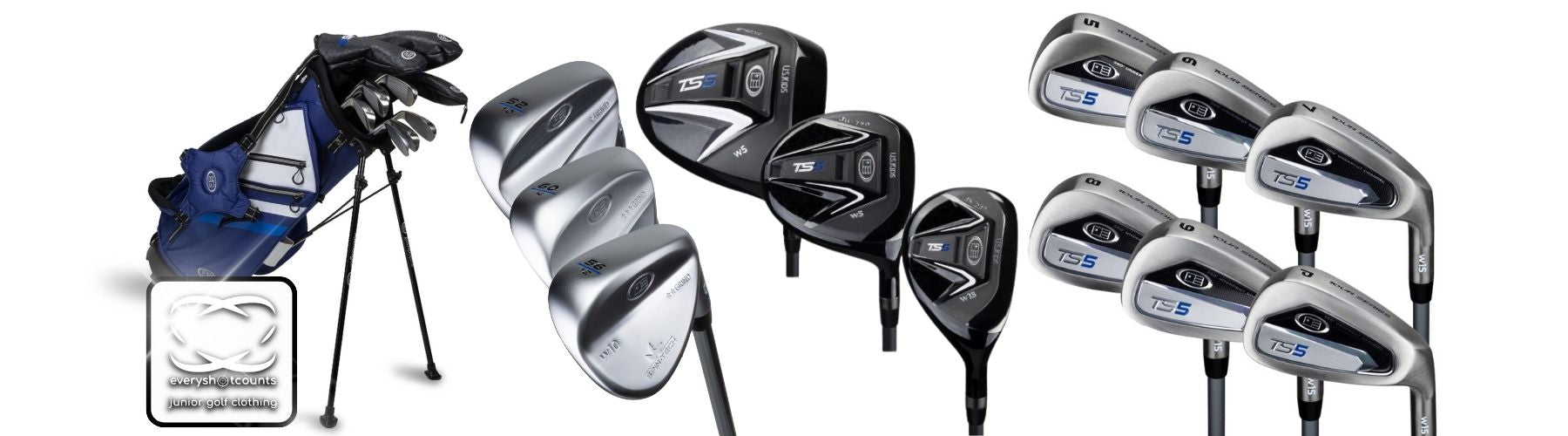
Young golfers often start with shorter, lighter clubs. They might only need 6 to 8 clubs at first. As they grow, add clubs to reach the full 14. Make sure clubs fit their height and strength—cut-down adult clubs can be too heavy and hard to use.
Left-handed And Right-handed Clubs
Golf clubs come in both left- and right-handed versions. Pick what matches your natural side. There’s no rule about mixing left- and right-handed clubs in the same bag, but most people use one type for all.
The Role Of Technology
New materials and designs mean today’s clubs hit the ball farther and higher. Hybrids, in particular, have changed the game for many golfers. Don’t get stuck with old gear if you struggle with certain shots—modern clubs can help.
Club Limits In Professional Vs. Amateur Golf
The 14-club rule applies to everyone, from weekend players to tour pros. Some pro events let players test extra clubs on the range, but only 14 can go onto the course. If a pro breaks the rule, they face the same penalties as amateurs.
Quick Reference: What’s In The Bag?
Here’s a summary of a typical 14-club set:
| Club | Typical Use | Average Distance (Men) | Average Distance (Women) |
|---|---|---|---|
| Driver | Tee shots | 230-290 yards | 180-210 yards |
| 3-wood | Long fairway shots | 210-240 yards | 150-180 yards |
| Hybrid | Long approach shots | 180-210 yards | 120-150 yards |
| 3-9 irons | Varied distances | 100-200 yards | 60-150 yards |
| Wedges | Short game shots | Up to 120 yards | Up to 80 yards |
| Putter | On the green | Any distance | Any distance |
Distances vary based on skill and swing speed. These numbers are averages, not rules.
When To Change Your Set
Review your set at least once a year. If your swing changes, you lose or gain strength, or your scores stall, it’s time to test new clubs. Even small changes, like a new grip or shaft, can make a big difference.
Credit: www.tourbonsports.com
Resources For More Learning
If you want to dive deeper into the rules or club technology, the official USGA site is a trusted source:
usga Rules Of Golf
Frequently Asked Questions
How Many Clubs Can You Legally Carry In A Golf Bag?
You can carry up to 14 clubs in your golf bag during a round. This is the rule for both amateur and professional play.
What If I Accidentally Carry More Than 14 Clubs?
You will receive a penalty—two strokes per hole in stroke play (up to four strokes), or you lose a hole per offense in match play (up to two holes). Always count your clubs before starting your round.
Can I Switch Clubs During A Round?
No, you can’t swap clubs during a round unless a club is damaged during normal play. You can only add clubs (up to 14) if you started with fewer than 14, but you can’t borrow from another player.
Is It Better To Carry Fewer Clubs As A Beginner?
Yes, beginners can start with fewer clubs. A basic set (driver, wood, a few irons, wedge, putter) is easier to learn with. You can add more clubs as your skills improve.
Are There Different Club Limits For Junior Golfers?
The 14-club rule applies to all ages, but juniors often use smaller sets for comfort and learning. As they grow, they can add clubs up to the limit.
Golf is a game of skill, strategy, and smart choices. The 14-club rule is not just about following the rules—it’s about building the set that helps you enjoy the game and play your best. Every golfer’s bag tells a story.
Make sure yours is ready for the next round.

Zayden Halbrook is a travel enthusiast and gear researcher passionate about making every journey smoother and more enjoyable. With a keen eye for practical travel essentials and real-world tips, he helps readers choose the right gear and travel smarter. When he’s not testing travel kits or exploring new destinations, Zayden shares simple, reliable advice to make every trip stress-free.