Packing a carry-on bag can feel tricky, even for experienced travelers. Airlines have many rules. You want to bring what you need, but you don’t want to overpack or have trouble at security. Over the years, I have traveled with only a carry-on for trips from three days to three weeks.
Each time, I learned something new about what works and what causes stress at the airport. With careful planning and smart packing, you can travel lighter, avoid checked bag fees, and breeze through the airport.
This guide will help you master carry-on packing. I’ll share practical steps, real tips from my own travels, and expert advice to keep your trip smooth and stress-free.
Know The Carry-on Rules
Before you start packing, check the rules for your airline. Most airlines allow one carry-on bag and one personal item, like a backpack or purse. The size and weight limits can vary.
For example, US airlines often allow bags up to 22 x 14 x 9 inches (56 x 36 x 23 cm). In Europe and Asia, the limits may be smaller or stricter. Some budget airlines even weigh your bag. It’s a good idea to check your airline’s website before every trip, because rules can change.
If your bag is too large or heavy, you may have to check it at the gate and pay a fee. I once had to pay $75 because my bag was half an inch too big in Europe. Now, I always double-check.
Common Carry-on Size Limits (major Airlines)
| Airline | Size Limit (inches) | Weight Limit (lbs) |
|---|---|---|
| American Airlines | 22 x 14 x 9 | No limit |
| United Airlines | 22 x 14 x 9 | No limit |
| Delta | 22 x 14 x 9 | No limit |
| Ryanair (Europe) | 21.5 x 15.5 x 7.5 | 22 lbs |
| AirAsia | 22 x 14 x 9 | 15 lbs |
Always measure your bag, including wheels and handles. Use a small luggage scale to check the weight at home.
Choose The Right Bag
Your bag makes a big difference. I once used a bulky soft-sided bag and regretted it. The bag itself was heavy, so I couldn’t pack as much. Now I use a light, hard-shell spinner with pockets and compression straps.
When picking your carry-on, look for:
- Lightweight materials: Every pound matters.
- Strong zippers: Weak zippers can break and spill your things.
- Good wheels: Four-wheel spinners roll best.
- Expandable option: Only expand if under the size limit.
- Easy-access pockets: For travel documents or electronics.
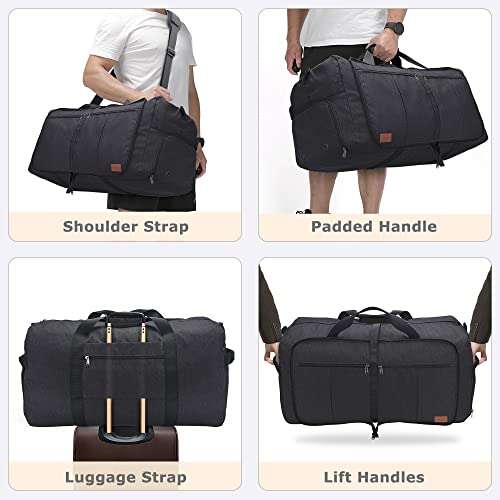
Backpacks are good for casual trips or if you’ll walk a lot. Duffel bags can fit more if you don’t mind carrying them.
Carry-on Bag Types Compared
| Bag Type | Best For | Pros | Cons |
|---|---|---|---|
| Spinner Suitcase | City travel, airports | Easy to roll, organized | Can be heavy empty |
| Backpack | Adventure, uneven streets | Hands-free, flexible | Harder to organize, heavy on back |
| Duffel Bag | Short trips, car travel | Flexible shape, light | No wheels, messy packing |
Think about your trip style and choose the best bag for you.
Make A Packing List
Smart packing starts with a list. Write down everything you need, and cut what you don’t. I keep a master list on my phone and adjust it for each trip.
Break your list into these main categories:
- Clothes: Tops, bottoms, underwear, socks, sleepwear, jacket
- Shoes: One extra pair (max)
- Toiletries: Travel-size only
- Electronics: Phone, charger, adapters, headphones
- Travel documents: Passport, ID, tickets, credit cards
- Medications: Bring enough for your whole trip
- Other: Sunglasses, book, snacks
After you write your list, remove anything “just in case. ” Most people overpack. Trust me, you’ll always find a way to make do with less.
Pack Clothes That Mix And Match
The biggest mistake new travelers make is bringing too many clothes. You don’t need a different outfit for every day. Instead, bring clothes that can mix and match.
For a one-week trip, I usually pack:
- 3 shirts
- 2 pairs of pants/shorts
- 1 sweater or jacket
- 1 dress or skirt (optional)
- 5 pairs of underwear
- 3 pairs of socks
- 1 set of pajamas
Wear your bulkiest items (like a jacket or boots) on the plane. You can always layer if it gets cold.
Capsule Wardrobe Example
Choose neutral colors (black, gray, navy, white) that go together. For example, a black shirt works with blue jeans or khaki pants. Add a scarf or small accessory for style.
If you’ll wash clothes on your trip, you can pack even less. Many hotels have laundry, or you can wash by hand.
:max_bytes(150000):strip_icc()/carry-on-suitcase-packing-OVERPACK0322-40943c9bfc324620a6a29dd8ad3dc986.jpg)
Credit: www.travelandleisure.com
Use Packing Cubes Or Compression Bags
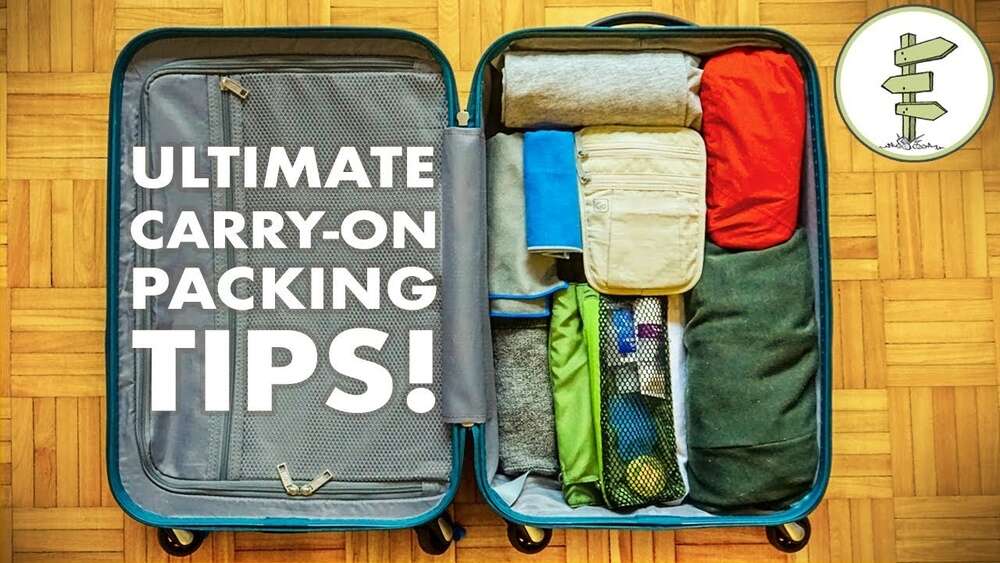
Packing cubes keep your bag neat and help you find things fast. Use one cube for shirts, one for underwear, and one for tech gear. They also help compress your clothes to fit more in less space.
Compression bags are great for bulky items like jackets or sweaters. You squeeze the air out and make your clothes flat.
On my last trip to Japan, I used both cubes and one compression bag for my raincoat. My bag stayed tidy, and security checks were easy.
Pack Smart Toiletries
Liquids are a big issue in carry-ons. TSA and most world airports limit liquids to containers of 3. 4 ounces (100 ml) or less, all in one clear quart-size bag.
Bring only the basics:
- Toothbrush and small toothpaste
- Mini shampoo and soap (or use hotel’s)
- Deodorant
- Razor
- Small comb or brush
- Facial wipes (good for quick cleanups)
Leave full-size bottles at home. If you need more, buy at your destination.
Quick Tip
Solid toiletries (like bar soap, shampoo bars, or stick deodorant) are not counted as liquids, so you can bring more.
Organize Electronics And Cables
Keep all electronics and cables together in a pouch. Most people bring:
- Phone and charger
- Headphones or earbuds
- Power bank (must go in carry-on, not checked)
- Plug adapter (if traveling abroad)
- Laptop or tablet (only if needed)
I once forgot my plug adapter on a Europe trip and paid double the price at the airport. Now, I keep a universal adapter in my bag at all times.
Pack Travel Documents And Essentials
Never pack passports, tickets, money, or credit cards in checked bags. Always keep them close and safe.
Use a travel wallet or small pouch for:
- Passport
- Boarding pass
- ID
- Credit cards and cash
- Travel insurance info
- Emergency contact list
Some travelers use a neck pouch or money belt for extra security, especially in busy places.
Limit Shoes To Two Pairs
Shoes are heavy and take up space. The golden rule: wear one, pack one.
I usually bring:
- Sneakers or comfy shoes (for walking)
- Sandals or flats (for evenings or showers)
If you need dress shoes, pick a light pair. Stuff socks or small items inside shoes to save space.
Use Every Bit Of Space
Fill every corner of your bag. Roll socks and underwear and tuck them into shoes or gaps. Rolling clothes instead of folding can save room and reduce wrinkles.
I like to zip up my bag, then see if I can remove one or two things. Almost every time, I find something I don’t really need.
Know The Security Rules
At security, you must take out your liquids and electronics. Pack them near the top of your bag for easy access.
Don’t bring:
- Large bottles of liquids
- Sharp objects (scissors, knives)
- Flammable items
- Sporting equipment
Check TSA or your country’s airport website for full lists. If in doubt, leave it out.
Bring A Personal Item Wisely
Most airlines allow a small bag in addition to your carry-on. This can be a backpack, tote, or laptop bag. It must fit under the seat.
Use it for:
- Medications
- Travel snacks
- Water bottle (empty through security)
- Book or magazine
- Eye mask and earplugs
- Small blanket or scarf
If you pack heavy electronics, keep them here to save space in your main bag.

Credit: www.youtube.com
Adjust For The Trip Type
Packing for a business trip is different from a beach holiday or a winter city break. Adjust your list based on your plans.
For Business Trips
- Bring wrinkle-free clothes.
- Use a garment bag if you need a suit.
- Pack a tie or scarf for a quick style change.
For Adventure Or Hiking
- Bring quick-dry clothes.
- Pack a rain jacket.
- Take only needed gear.
For Cold Weather
- Wear your coat on the plane.
- Use compression bags for sweaters.
- Pack gloves and a hat in your jacket pockets.
Use A Packing Strategy
There are a few ways to pack your bag:
- Rolling method: Roll clothes to save space and avoid wrinkles.
- Folding method: Fold neatly for easy stacking.
- Bundle method: Wrap clothes around a central core to reduce wrinkles.
I find rolling works best for t-shirts and jeans, and folding for dress shirts.
Packing Strategy Comparison
| Method | Best For | Space Saving | Wrinkle Control |
|---|---|---|---|
| Rolling | Casual clothes | Excellent | Good |
| Folding | Dress clothes | Fair | Very Good |
| Bundle | Mixed items | Good | Excellent |
Try a mix and see what suits your bag and clothes.

Credit: www.briggs-riley.com
Don’t Forget Medications And Health Needs
Keep all medicines, vitamins, or special health items in your personal bag. Bring a copy of your prescription. In many countries, some medicines are not sold over the counter.
I always bring allergy pills, just in case, even if I don’t plan to use them.
Snacks And Water
Airport food can be expensive and not always tasty. Pack a few snacks like nuts, granola bars, or fruit. Bring an empty water bottle to fill after security.
This small step saves money and keeps you comfortable if flights are delayed.
Check Your Bag Before You Leave
Before you zip up your bag, check:
- Is everything on your list packed?
- Are all liquids in the clear bag?
- Is your bag under the size and weight limit?
- Can you easily pull out your laptop and liquids at security?
- Did you leave space for souvenirs or items you’ll buy?
Take a photo of your packed bag. If it gets lost or delayed, this helps with claims.
Common Beginner Mistakes
Many travelers, especially new ones, make the same errors:
- Overpacking “just in case” items
- Ignoring the airline’s size rules
- Packing full-size toiletries
- Forgetting an adapter for foreign plugs
- Hiding valuables in checked bags
Avoid these by planning ahead and following your list.
Advanced Packing Tips
After many trips, I’ve learned these advanced tricks:
- Use a luggage tracker in your bag. If it’s lost, you can find it fast.
- Bring a small laundry bag for dirty clothes.
- Have a backup credit card in a separate spot.
- Carry a copy of your passport in your email or on your phone.
These steps are small but make a big difference if anything goes wrong.
When To Check A Bag Instead
Sometimes, a carry-on is not enough. If you need special gear (like sports equipment) or travel for more than two weeks, checking a bag is best.