How Many Cups Of Flour In A 5 Pound Bag
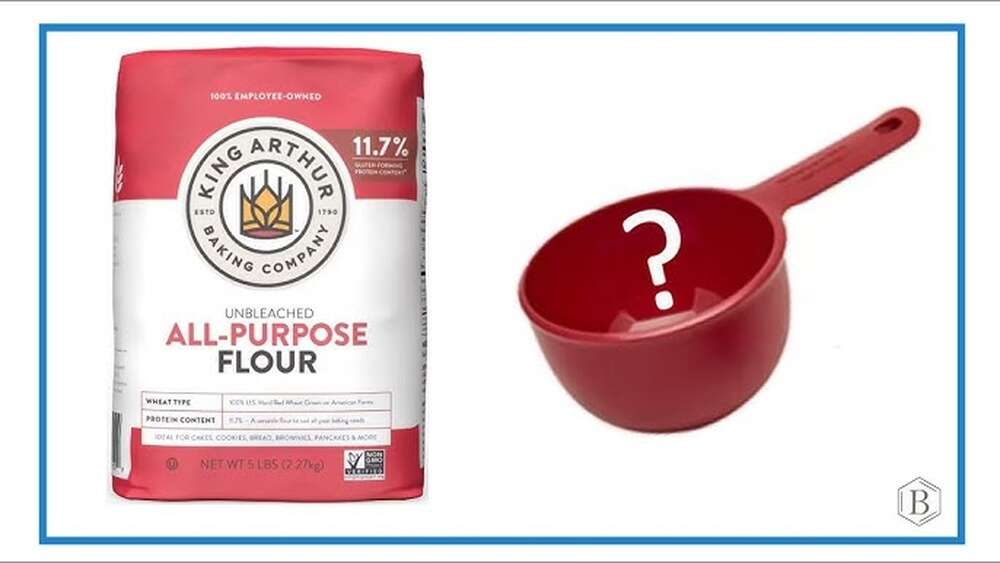
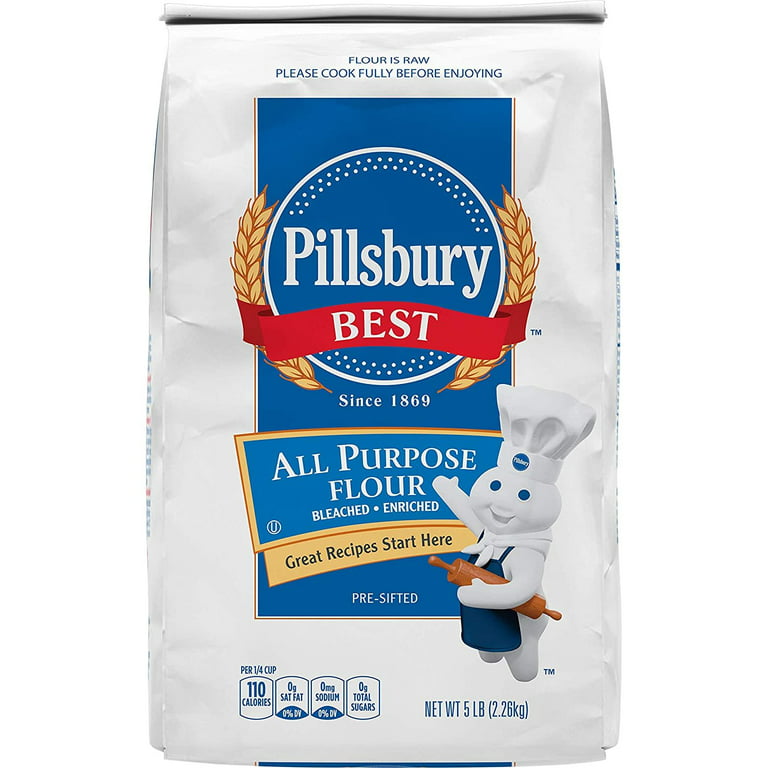
Flour is one of those kitchen basics you never really think about—until you run out or need to plan for a big bake. If you’ve ever stood in your kitchen, a 5-pound bag of flour in hand, wondering “How many cups is this, really?
”, you are not alone. I’ve been there myself, especially when prepping for a big batch of bread or cookies. Knowing the answer saves time and prevents waste. It also helps you shop smarter and avoid last-minute trips to the store.
This guide will walk you through everything you need to know about converting pounds of flour to cups. We’ll look at the types of flour, why the answer can change, and how to measure for best results. I’ll share a couple of stories from my own kitchen, too, so you get real, practical advice—not just theory.
What Does “a Cup Of Flour” Really Mean?
If you search for how many cups are in a 5-pound bag of flour, you might see different answers. The main reason is that a “cup” is a volume measurement, while “pounds” is a weight. Flour can settle, get packed down, or fluff up, so a cup of flour does not always weigh the same.
For most recipes, the standard is to use all-purpose flour and to measure it using the “spoon and level” method. That means you lightly spoon the flour into your cup, then level it off with a knife. This method gives you about 4.25 ounces (120 grams) per cup of all-purpose flour.
But not all flours are the same, and not all measuring methods are equal. That’s why it’s so important to look at these five key items, one by one.
1. Cups Of All-purpose Flour In A 5 Pound Bag
Most home bakers use all-purpose flour. This is what you’ll find in most American kitchens and recipes. Let’s break down the math together.
A 5-pound bag is equal to 80 ounces (since there are 16 ounces in a pound). If one cup of all-purpose flour weighs 4.25 ounces, here’s how the numbers work out:
80 ounces ÷ 4.25 ounces per cup = about 18.8 cups
So, you can expect about 19 cups of all-purpose flour in a standard 5-pound bag.
Real-life Tip
When I bake bread for family gatherings, I usually need around 10 cups of flour. That means I get almost two full batches from a single 5-pound bag. The first time I tried this, I ran out right at the end, because I didn’t account for flour lost to the counter or sticking to the bowl.
Always plan for a little extra if you’re baking a lot.
Easy Reference
- 5 pounds of all-purpose flour ≈ 19 cups
- 1 pound of all-purpose flour ≈ 3.8 cups
2. Cups Of Bread Flour In A 5 Pound Bag
Bread flour is a bit heavier than all-purpose flour because it has more protein. This helps give bread its chewy texture. The average weight for one cup of bread flour is about 4.5 ounces (128 grams).
Let’s do the conversion:
80 ounces ÷ 4.5 ounces per cup = about 17.8 cups
So, in a 5-pound bag of bread flour, you have about 18 cups.
Expert Experience
When I first started making pizza dough at home, I used bread flour for the first time. My pizza recipe called for 6 cups, but I realized later that bread flour packs a bit heavier. My dough was slightly stiffer than expected.
After measuring by weight instead of volume, my results became much more consistent.
Quick Facts
- 5 pounds of bread flour ≈ 18 cups
- 1 pound of bread flour ≈ 3.6 cups
3. Cups Of Whole Wheat Flour In A 5 Pound Bag
Whole wheat flour contains the whole grain, so it’s denser and absorbs more water. It weighs about 4 ounces (113 grams) per cup.
80 Ounces ÷ 4 Ounces Per Cup = 20 Cups
So, a 5-pound bag of whole wheat flour gives you about 20 cups.
Special Note
Whole wheat flour can be tricky because it packs tighter. When I switched to whole wheat for a healthier banana bread, the batter turned out dry the first time. I learned to add a little extra liquid or use a lighter hand when measuring.
Key Points
- 5 pounds of whole wheat flour ≈ 20 cups
- 1 pound of whole wheat flour ≈ 4 cups
4. Cups Of Cake Flour In A 5 Pound Bag
Cake flour is much lighter and softer. It’s made for delicate cakes and pastries. A cup of cake flour weighs about 4 ounces (113 grams), similar to whole wheat, but it’s fluffier and packs differently.
80 Ounces ÷ 4 Ounces Per Cup = 20 Cups
So, a 5-pound bag of cake flour also gives you about 20 cups.
Pro Insight
I once made a birthday cake with cake flour instead of all-purpose. The recipe seemed familiar, but the batter was lighter, and the cake was much softer. Cake flour’s low protein content gives cakes a tender crumb, but it also means you get a bit more volume per bag.
At A Glance
- 5 pounds of cake flour ≈ 20 cups
- 1 pound of cake flour ≈ 4 cups
5. Cups Of Self-rising Flour In A 5 Pound Bag
Self-rising flour is similar in weight to all-purpose flour, but it contains added baking powder and salt. A cup of self-rising flour weighs about 4.25 ounces (120 grams).
80 ounces ÷ 4.25 ounces per cup = about 18.8 cups
So, just like all-purpose, you get about 19 cups in a 5-pound bag of self-rising flour.
Real-world Example
I once grabbed self-rising flour by mistake for a batch of pancakes. The result was fluffier than expected—good for pancakes, not for cookies. Always check your flour type before measuring, since the added ingredients can change your recipe’s texture.
Summary
- 5 pounds of self-rising flour ≈ 19 cups
- 1 pound of self-rising flour ≈ 3.8 cups
Credit: www.walmart.com
Why The Cup Amount Can Vary
At first glance, you might think all flour is the same, but small details can change your cup count. Here are a few reasons the number isn’t always exact:
- Measuring Method: Scooping flour packs it tighter than spooning and leveling. If you scoop, you may get up to 20% more flour per cup.
- Humidity: Flour absorbs moisture from the air. On a humid day, your flour will be heavier and denser.
- Settling in the Bag: Flour settles during shipping and storage. The first cup from a new bag may be more compact than the last.
- Type of Flour: As you’ve seen, different flours have different weights per cup.
For the most accurate results, use a kitchen scale to measure flour by weight. But if you’re using cups, try to measure the same way each time.
Visual Comparison: Cups In A 5 Pound Bag By Flour Type
Sometimes it helps to see the numbers side by side. Here’s a simple comparison using a data table:
| Flour Type | Weight per Cup (oz) | Cups in 5 lb Bag |
|---|---|---|
| All-Purpose | 4.25 | 19 |
| Bread | 4.5 | 18 |
| Whole Wheat | 4 | 20 |
| Cake | 4 | 20 |
| Self-Rising | 4.25 | 19 |
How To Measure Flour For Best Results
Getting the right amount of flour can make or break your recipe. Here’s what I’ve learned (sometimes the hard way!):
- Use the Spoon and Level Method: Gently spoon flour into your measuring cup, then level it off with a flat edge. This keeps the flour light and fluffy.
- Avoid Packing: Don’t tap or shake the cup. This compresses the flour and can lead to heavy, dense baked goods.
- Weigh When You Can: A small kitchen scale is one of my favorite tools. It takes out the guesswork and gives consistent results.
- Check Your Recipe: Some recipes are written for scooped flour, others for spooned. If you’re unsure, spoon and level is safest.
If you bake often, you’ll notice your results improve when you measure flour the same way every time.
How Cup Amounts Affect Baking
The amount of flour you use can change your recipe’s outcome. Too much flour, and your bread or cake will be dry and dense. Too little, and it can collapse or be too sticky.
Example: Pancake Batter
Let’s say you want to make pancakes for a group. You find a recipe that calls for 2 cups of flour per batch. If you have a 5-pound bag of all-purpose flour, you can make 9 full batches (2 cups × 9 = 18 cups), with a little left over.
But, if you accidentally scoop instead of spooning, you might use almost 2. 5 cups per batch. You’ll run out sooner, and your pancakes may be chewy.
Table: How Many Batches From A 5 Pound Bag
Here’s another comparison for different recipes:
| Recipe | Flour per Batch (cups) | Batches from 5 lb Bag (all-purpose) |
|---|---|---|
| Bread | 6 | 3 |
| Pancakes | 2 | 9 |
| Cookies | 2.5 | 7 |
| Cake | 3 | 6 |
Non-obvious Insights Most Beginners Miss
- Sifting Changes Volume: If you sift flour before measuring, you’ll end up with less flour per cup. This can make cakes fluffier, but if your recipe expects unsifted flour, you may need to adjust.
- Brand and Storage Matter: Some brands mill flour finer or coarser, which changes how much fits in a cup. Storing flour in a tightly packed container or a loosely filled bag affects its density, too.
When I first started baking, I didn’t realize just how much these small things mattered. Over time, I learned to always double-check my method and adjust as needed. It saved me many failed cakes!
Expert Advice: When To Use Weight Vs. Volume
Professional bakers almost always use weight instead of cups. This is because weight is exact, while cups can change based on how you fill them. If you want the most reliable results, especially for bread or pastry, use a digital scale.
But, I know many home cooks don’t have a scale—or just want to use their measuring cups. That’s okay! Just use the same method each time, and you’ll get more consistent results.
If you’re interested in baking science, you can read more about flour measurement standards at the King Arthur Baking Company.

Credit: gardengrocer.com
Why It Helps To Know Cup Amounts In A Bag
You might wonder why this matters. Here are a few reasons:
- Shopping Smarter: If you know you need 12 cups of flour for a party, you’ll know a single 5-pound bag is enough.
- Scaling Recipes: If you want to double or triple a recipe, you can easily see if you have enough flour.
- Avoiding Waste: You won’t buy more than you need, and you won’t run out mid-recipe.
This knowledge makes you a more confident and prepared baker.
Tips For Storing Flour
If you buy flour in bulk, good storage is key. Here’s what I recommend:
- Keep It Airtight: Store flour in a sealed container to keep out bugs and moisture.
- Cool and Dry: Flour lasts longer in a cool, dry place. If you live in a humid area, consider storing it in the fridge or freezer.
- Label Your Flour: If you have more than one type, label your containers. It’s easy to mix up all-purpose and bread flour by sight.
- Check Expiration Dates: Flour can go rancid, especially whole wheat. Smell it before use—fresh flour should have a mild, neutral scent.
:max_bytes(150000):strip_icc()/Flour_002-dfbf67a37f7c4bcb8012d80aaad15e46.jpg)
Credit: www.southernliving.com
Real-world Problem Solving: What If You Run Out?
If you run out of one type of flour, you can sometimes substitute another. Here are some options:
- All-Purpose for Bread Flour: You can use all-purpose flour in place of bread flour, but your bread may be softer.
- Whole Wheat for All-Purpose: Replace half the all-purpose flour with whole wheat to keep your recipe from being too dense.
- Cake Flour Substitute: For every cup of cake flour, use 1 cup all-purpose minus 2 tablespoons, plus 2 tablespoons cornstarch.
Don’t be afraid to experiment. Many great recipes were discovered by accident.
Frequently Asked Questions
How Many Cups Are In A 5-pound Bag Of All-purpose Flour?
A 5-pound bag of all-purpose flour contains about 19 cups. This is based on the standard measurement of 4.25 ounces per cup. Always use the spoon and level method for best results.
Is There A Difference In Cup Measurements Between Flour Types?
Yes, different flours weigh different amounts per cup. For example, bread flour is heavier than cake flour, so you get fewer cups in a 5-pound bag. Always check the type of flour and its average weight per cup.
Does Sifting Flour Affect The Cup Measurement?
Sifting flour makes it lighter and increases its volume. If you measure sifted flour, you’ll get less flour by weight per cup. Only sift if your recipe calls for it, and be consistent with your method.
Can I Use A Kitchen Scale Instead Of Measuring Cups?
Absolutely! Weighing flour is the most accurate way to measure. If your recipe gives weights, use a scale. If not, use the spoon and level method for cups.
How Should I Store Flour To Keep It Fresh?
Store flour in an airtight container in a cool, dry place. For long-term storage, the fridge or freezer is best, especially for whole wheat flour. Always label your containers to avoid mixing up different types.
Baking can be fun and easy when you know your measurements. Whether you’re making bread, cakes, or cookies, understanding how many cups are in a 5-pound bag of flour means you’ll always be ready for your next kitchen adventure. When you measure carefully, store flour well, and know your numbers, you’ll save time and get better results every time you bake.

Zayden Halbrook is a travel enthusiast and gear researcher passionate about making every journey smoother and more enjoyable. With a keen eye for practical travel essentials and real-world tips, he helps readers choose the right gear and travel smarter. When he’s not testing travel kits or exploring new destinations, Zayden shares simple, reliable advice to make every trip stress-free.