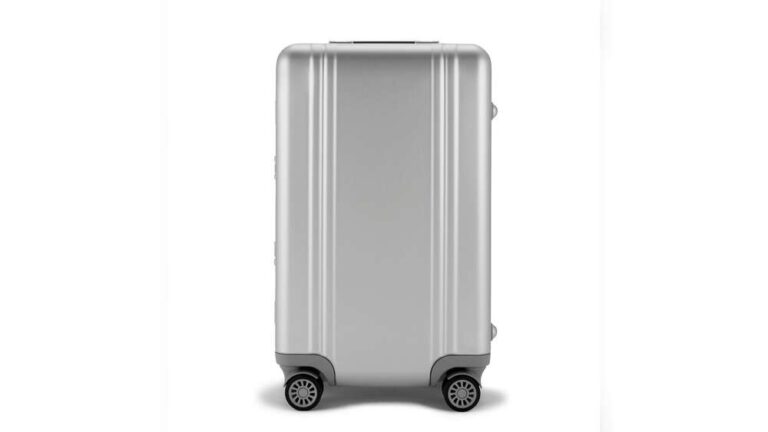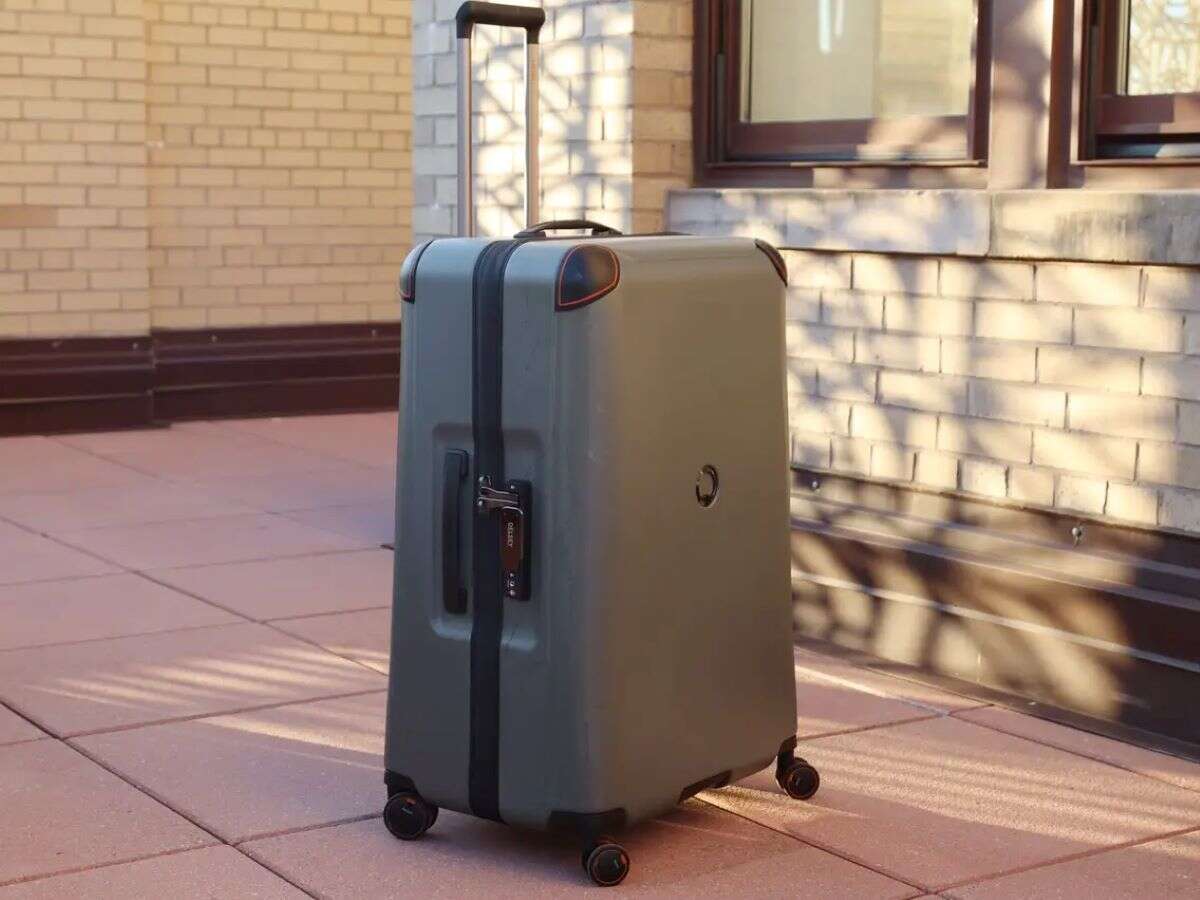
The best place to store suitcases in a small apartment is a dry, low-traffic spot that uses dead space without blocking an exit. Good options include the top shelf of a closet, the space under a bed, a wardrobe, or a high cabinet. Store smaller bags inside larger ones to save even more room.
For renters in the United States, check your lease before using a hallway, shared basement, attic, balcony, or building storage area. Local fire rules and property policies may limit what you can keep outside your apartment. Never place luggage in a stairwell, in front of an exit, beside a heater, or where it blocks an electrical panel.
The best suitcase storage spots in a small apartment
The right storage spot depends on how often you travel, how large your bags are, and how much unused space your apartment has. Start with areas that are dry, safe, and easy to reach.
1. Under the bed
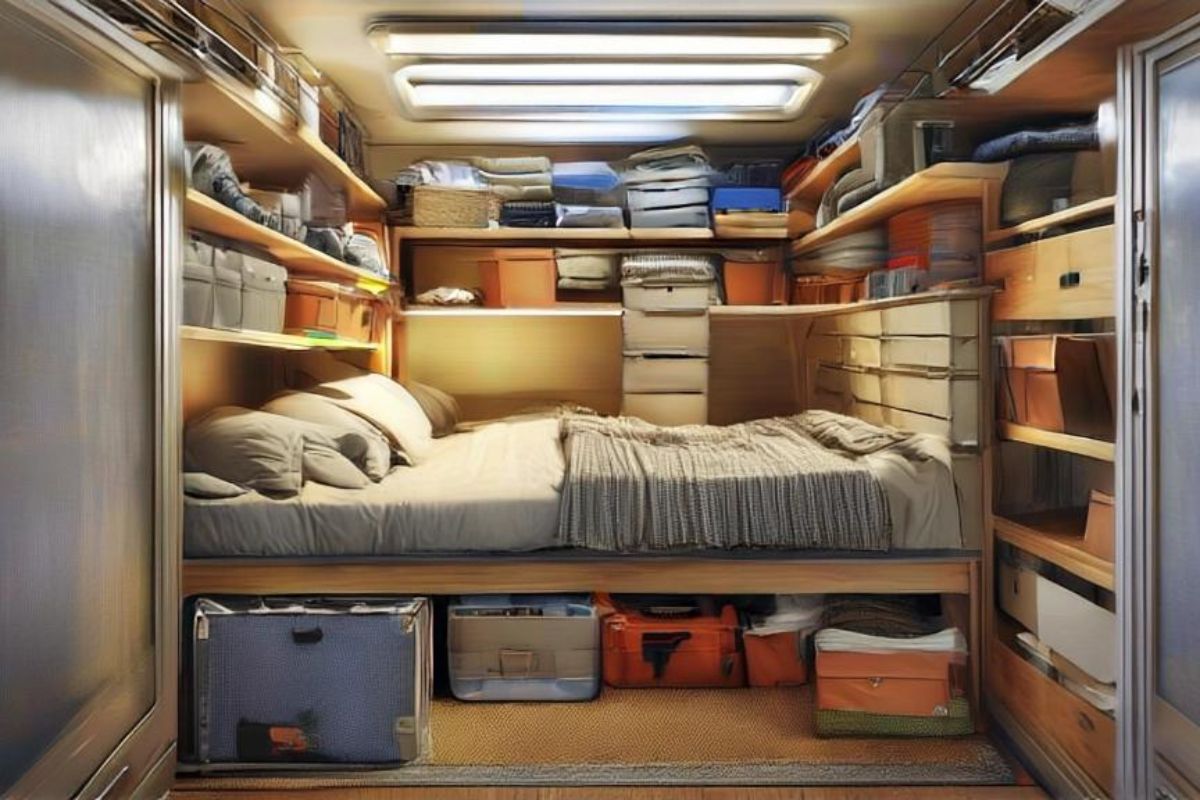
The space under a bed is often the best place for large suitcases. It keeps luggage out of sight and does not use valuable living space.
Before sliding a suitcase underneath, measure:
- The height from the floor to the bed frame
- The length and width of the open space
- The suitcase height, including wheels and handles
- The clearance needed to pull the bag out
Keep the suitcase in a protective cover if the area is dusty. Avoid placing luggage directly on a damp basement floor or against a wall that shows signs of moisture.
A bed with built-in drawers can make this option easier. If your bed sits low, consider storing only soft carry-on bags underneath. Do not force a hard-shell suitcase into a space that can damage its wheels or frame.
2. The top shelf of a closet
A closet shelf is a strong choice for carry-ons and medium suitcases. It keeps the bags near other travel items and makes packing easier.
Place the largest suitcase on the shelf first. Put smaller luggage inside it, if they fit. Keep the total weight within the shelf’s safe limit. A shelf that bends, pulls away from the wall, or shows loose hardware needs repair before you use it.
A step stool may be needed for a high shelf. Store heavy bags lower if lifting them overhead feels unsafe. A falling suitcase can cause more harm than the space-saving benefit is worth.
3. Inside a wardrobe or armoire
A wardrobe can hide luggage while keeping it off the floor. This works well in studio apartments where the bedroom and living room share one space.
Use the lower section for heavy suitcases. Place packing cubes, travel adapters, and toiletry bags inside the luggage. Leave enough room to open the doors without striking a wall or furniture.
4. Behind a sofa or chair
A narrow gap behind a sofa can hold a slim carry-on or soft duffel. This works only when the bag does not press against a heater, block a vent, or interfere with furniture movement.
This is usually a better spot for soft luggage than for a large hard-shell case. Dust covers can make the bags look tidier and protect them from pet hair.
5. Above a closet or room door
the wall above a door can provide useful storage, but it requires care. Wall-mounted shelves must attach to suitable studs or approved anchors. The shelf must also be rated for the weight of the luggage.
Do not install a shelf over a bed, desk, or walkway if a falling suitcase could injure someone. Avoid this option in a rental unless you have permission for the installation.
6. Inside a storage ottoman or bench
A storage bench can hold small suitcases, garment bags, and travel accessories. It also provides seating, which gives the furniture more than one purpose.
Check the inside dimensions before buying or using one. Many ottomans fit soft bags but cannot hold a standard checked suitcase.
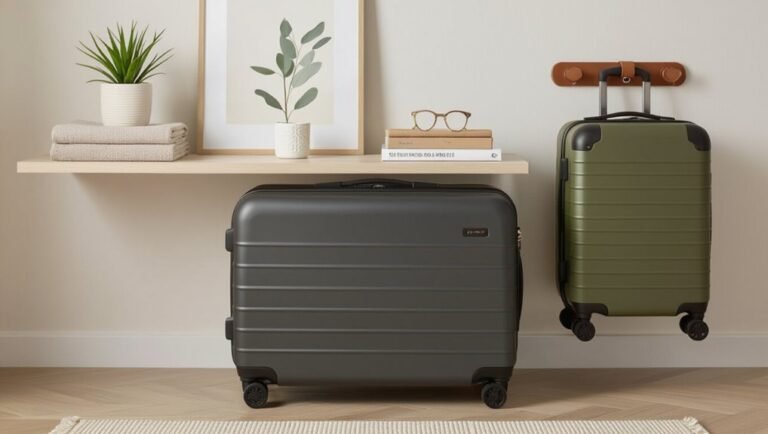
How to choose the right storage location
Choose a spot by ranking safety, moisture control, access, and space efficiency in that order. A location that saves room but creates a trip hazard is not a good storage solution.
Use this quick decision guide:
| Your situation | Best first choice | Main limitation |
|---|---|---|
| You travel often | Closet shelf or wardrobe | Takes up easy-access storage |
| You travel once or twice a year | Under-bed storage | May collect dust |
| You have no closet space | Under a sofa or bed | Limited height |
| You have tall ceilings | High shelf or cabinet | Requires safe lifting |
| You have pets | Enclosed cabinet or cover | Less convenient to reach |
| You live in a humid area | Interior closet or dry cabinet | Avoid damp floors and exterior walls |
| You rent | Existing shelves or furniture | New wall storage may need approval |
| You have children | Locked or high cabinet | Heavy bags should not be overhead |
Measure before you store
Measure the suitcase when it is closed, not when it is empty. Include the wheels, side handles, and telescoping handle housing.
A simple clearance check can prevent frustration:
Available space − suitcase size = remaining clearance
For example, if the space under your bed is 10 inches high and the suitcase is 9 inches high, you have only 1 inch of clearance. That may be enough for the bag, but not enough if the carpet is thick or the suitcase handle catches on the frame.
Also measure the path to the storage area. A bag may fit under the bed but fail to pass through a narrow doorway or around a tight corner.
Think about weight and access
Store heavy luggage low and lighter bags high. A large checked suitcase can be awkward to lift, especially from a high shelf.
If you use a high shelf, keep it for lightweight duffels or empty packing organizers. Place hard-shell bags and other heavy items at waist level or below.
Control moisture and heat
Suitcases should stay dry and away from direct heat. Moisture can lead to mildew, unpleasant odors, and damage to fabric or leather.
Avoid storing luggage:
- On a basement floor
- Against a damp exterior wall
- On an uncovered balcony
- Beside a radiator, furnace, fireplace, or space heater
- In a bathroom or laundry area with frequent steam
- In a place exposed to roof leaks or plumbing leaks
A clean, dry interior closet is usually safer than a garage, porch, or shared basement. If you must use a storage unit, select one with weather protection and follow the facility’s rules.
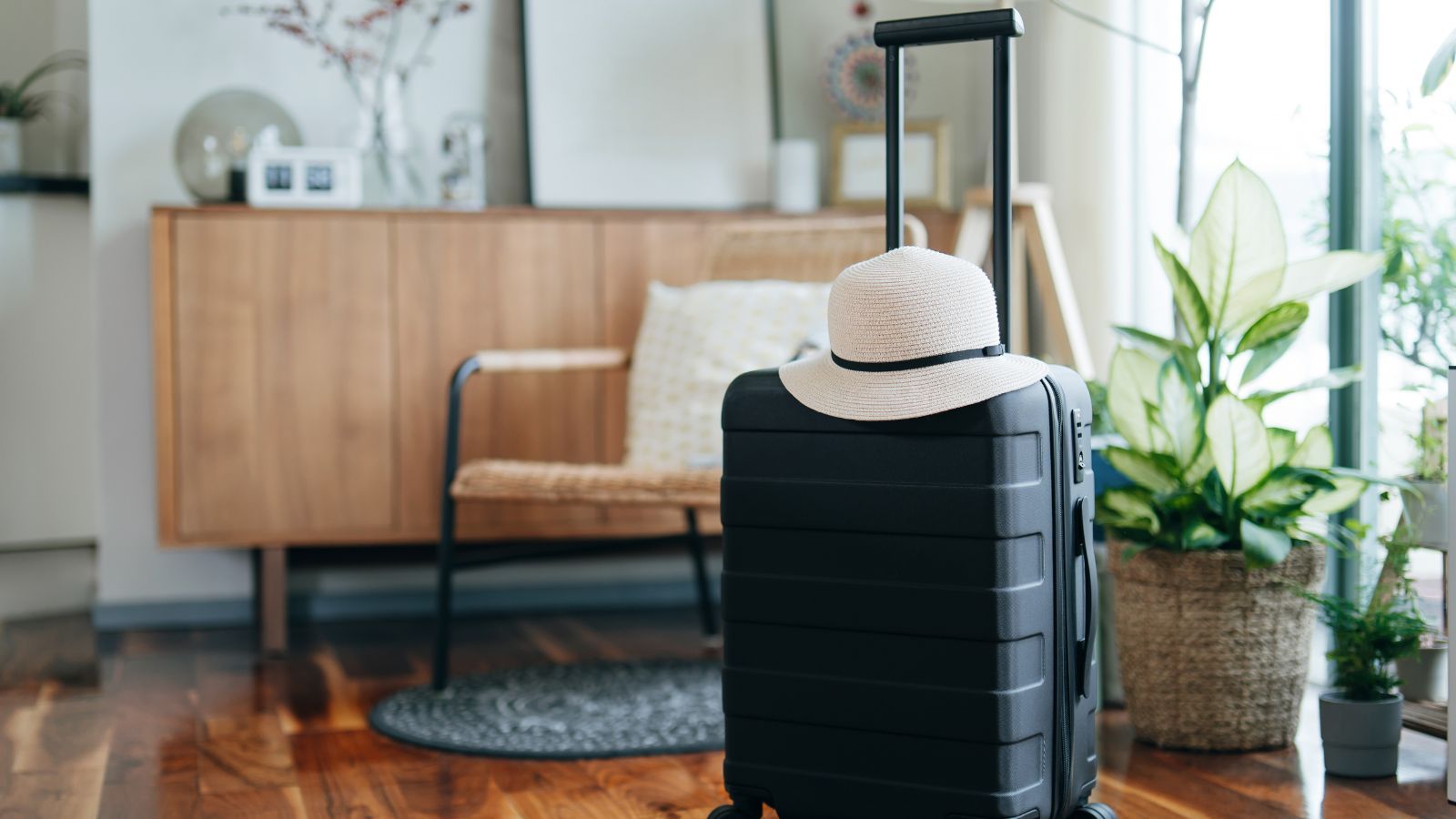
How to nest suitcases to save space
Nesting means placing smaller luggage inside larger luggage. It is one of the easiest ways to store several suitcases in a small apartment.
Follow these steps:
- Empty every suitcase completely.
- Clean crumbs, dirt, and moisture from the inside.
- Place small bags inside the largest suitcase.
- Put soft items, such as packing cubes, inside gaps.
- Leave a little room so zippers and seams are not under strain.
- Close the outer suitcase without forcing it.
- Store the nested group in a dry, stable location.
Do not nest a wet bag inside another bag. Dry swimwear, shoes, and laundry before storing them. Damp items can create odors and mold inside the closed suitcase.
Do not use luggage as a permanent trash bin or closet for food, candles, batteries, or liquids. These items may leak, attract pests, or create a fire risk.
What to put inside stored luggage
Useful items include:
- Packing cubes
- Travel pillows
- Foldable totes
- Shoe bags
- Empty toiletry organizers
- Lightweight jackets
- Garment bags
Avoid storing:
- Food
- Open liquids
- Wet clothing
- Loose batteries
- Candles
- Aerosol cans
- Valuable documents
- Medicines
- Electronics with rechargeable batteries
The U.S. Consumer Product Safety Commission advises consumers to handle and store lithium-ion batteries with care. As a practical rule, do not use a suitcase as a long-term storage place for loose spare batteries or damaged battery-powered devices.

How to store suitcases without damaging them
Good suitcase storage protects the bag from dust, pressure, moisture, pests, and sunlight.
Clean the luggage first
Before storage, empty all pockets and compartments. Vacuum out crumbs and wipe hard surfaces with a suitable damp cloth. Let the suitcase dry fully before closing it.
For fabric luggage, follow the care instructions from the manufacturer. Do not saturate fabric or use strong cleaners without checking the material.
Use a breathable cover
A cotton sheet or breathable luggage cover can reduce dust. Avoid sealing a suitcase in plastic when it may contain moisture. Trapped moisture can encourage mildew.
A plastic cover may be useful for short-term protection during a clean, dry move. For long-term storage, airflow is usually preferable.
Protect wheels and handles
Do not place heavy items on top of exposed wheels or a pulled-up telescoping handle. The weight can bend the handle or deform the case.
Keep the suitcase resting on its base when possible. If it must lie flat, avoid stacking sharp or heavy objects on it.
Keep luggage away from pests
A clean suitcase is less likely to attract insects or rodents. Do not store food, dirty shoes, or used clothing inside it.
If your building has a pest issue, use a sealed storage cabinet or a clean protective container that does not trap moisture. Do not spray pesticide inside luggage unless the product label specifically allows that use.

Places you should not store suitcases
Some locations seem convenient but can create safety, damage, or access problems.
Hallways, stairwells, and exit paths
Do not store luggage in a shared hallway, stairwell, lobby, or near an apartment exit. These areas may be part of an emergency exit route. The U.S. Fire Administration and local fire departments commonly advise keeping exits and escape paths clear.
Building rules vary by city and property type, so follow your lease and local fire department guidance. A suitcase in a corridor can also be a trip hazard for neighbors, guests, and emergency workers.
In front of electrical panels or utility shutoffs
Electrical panels, gas shutoffs, and water shutoffs need clear access. Do not hide luggage in front of them, even if you rarely need to reach them.
Near heaters and cooking equipment
Keep luggage away from radiators, baseboard heaters, ovens, stovetops, fireplaces, and portable heaters. Fabric, plastic, and foam parts can be damaged by heat. Some materials may also burn if exposed to enough heat.
On a balcony or fire escape
Outdoor storage exposes luggage to rain, humidity, sun, wind, pests, and temperature changes. A balcony may also have rules against storing items that affect appearance or safety.
Never use a fire escape as a storage area. In many U.S. cities, fire escapes must remain available for emergency use.
In a shared laundry room or basement
Shared areas may have building rules, theft risks, leaks, or pest problems. If the property provides storage cages, use only the space assigned to you and keep the bag off the floor when possible.